Loading...
Serving Fairfield, CA and surrounding areas. (707) 231-4124
Heavy truck down on I-80? Fleet van blocking a route? We send the right rig for your vehicle weight, handle the recovery safely, and get your operation moving again.
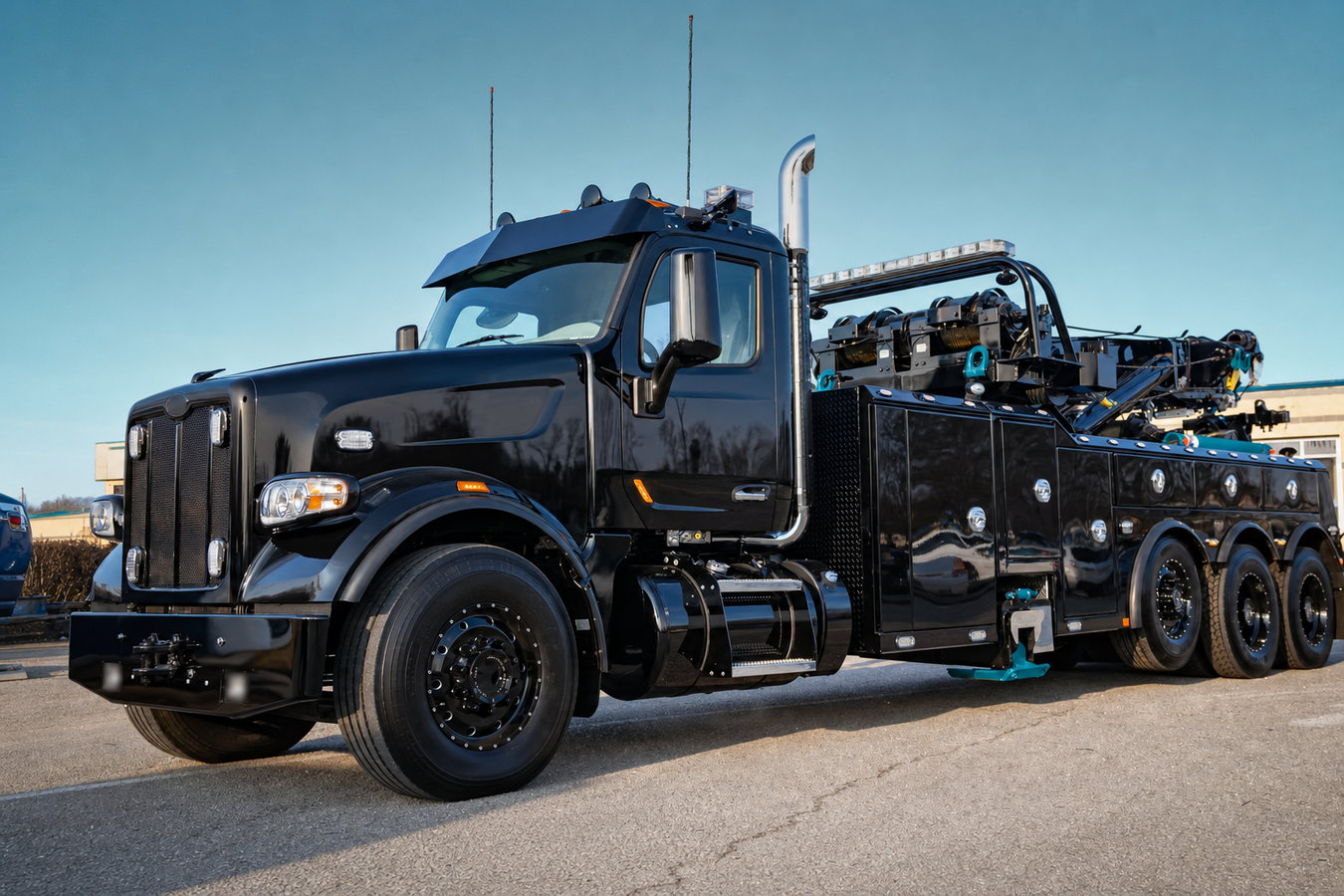
Commercial towing in Fairfield covers semi-trucks, box trucks, delivery vans, buses, and fleet vehicles too large or heavy for a standard tow truck - most calls on local routes and I-80 are assessed and hooked up within the same response window, with destination drop-off to follow.
When a commercial vehicle goes down, the wrong equipment makes everything worse. Moving a semi with an undersized rig risks frame and axle damage that costs far more than the tow. We match the recovery equipment to your vehicle type and weight class before anything moves. If your situation also involves a vehicle off the road or in a difficult position, our emergency towing team handles those recoveries as well.
Fairfield sits directly on Interstate 80, one of the busiest freight corridors in Northern California. Our dispatch knows this corridor well - the access points, the CHP protocols, and how to position safely in high-speed traffic zones.
A commercial vehicle stopped in a live lane or on a freeway shoulder on I-80 is a safety hazard and a costly delay. This is the clearest signal to call immediately - a provider with the right heavy-duty equipment and CHP protocol experience can clear the scene safely and fast.
If you have a semi, a loaded box truck, a bus, or construction equipment that needs moving, a light-duty tow truck is the wrong tool. Attempting it with undersized equipment risks vehicle damage and a failed recovery. A commercial tower assesses the weight class first and sends the appropriate rig.
When a van, medium-duty truck, or other fleet vehicle stops mid-route in the Fairfield area, every hour it sits is lost productivity. Having a commercial towing provider already saved in your dispatch system means you get the vehicle to a shop quickly and minimize the disruption.
Sometimes a commercial vehicle is not disabled - it simply cannot drive itself to a new location. Lowboy transport, flatbed hauling of heavy equipment, or moving vehicles between yards all fall under commercial towing. If the move requires oversized load permits, a qualified provider coordinates that.
Our commercial towing operation handles the full range of heavy and medium commercial vehicles - semi-trucks, tankers, box trucks, delivery fleets, buses, and construction equipment. For recoveries that require a vehicle to be pulled back onto solid ground before it can be loaded, we coordinate with our emergency towing crew to bring the right winch and recovery gear. Every hookup starts with a walk-around inspection so the attachment points match the vehicle type and the load is secured properly.
Fleet managers operating in Solano County can also set up an account for priority dispatch and consistent billing. For companies that run multiple vehicle sizes, we also offer fleet towing coverage that accommodates mixed vehicle types under a single provider relationship. The goal is less scrambling when a vehicle goes down and more predictability in how the call gets handled.
Suited for owner-operators and carriers with Class 7-8 trucks disabled on I-80 or local corridors.
Suited for fleet managers and logistics companies with medium-duty vehicles down mid-route.
Suited for contractors and construction operations moving heavy equipment between job sites.
Suited for companies operating multiple vehicles regularly through the Fairfield and Solano County area.
Fairfield sits directly on Interstate 80, one of the busiest freight corridors in Northern California, connecting the Bay Area to Sacramento. Semi-trucks, tankers, and heavy commercial vehicles travel this stretch constantly, and breakdowns in active lanes create urgent recovery situations. A provider who knows the I-80 corridor knows the access points, the CHP rotation protocols, and how to position recovery equipment safely in high-speed zones. The Fairfield area also supports a significant base of warehousing and distribution operations along local industrial corridors, where large vehicles sometimes break down on routes that are not always easy to access with standard recovery rigs.
Summer heat in this part of California is hard on heavy trucks - temperatures regularly climbing above 90 degrees push cooling systems and tires past their limits, particularly on loaded vehicles running long hauls. Tire blowouts and overheating failures peak in summer months. For commercial operators serving Vacaville, CA and routes west toward Vallejo, CA, having a qualified Fairfield-area provider already on call means shorter response gaps when a heat-related breakdown happens on the road between those cities.
California also sets rules around towing rates and practices at the state level, with some local jurisdictions adding their own requirements. A provider familiar with Solano County regulations can answer billing questions clearly and give you a transparent rate breakdown before the truck rolls - no surprise invoices for fleet managers trying to account for every line item.
Dispatch asks for your exact location, vehicle type and approximate weight, whether it is in a travel lane or off the road, and whether cargo or a trailer is involved. The more detail you give, the faster the right rig gets sent. Fleet ID or registration speeds things up further.
Dispatch gives you an estimated arrival window based on the location, time of day, and equipment required. For heavy-duty calls on I-80, the operator may need to come from a specific yard with the correct rig. You should receive a confirmation of who is coming and when.
The operator walks around the vehicle, checks for fluid leaks or load issues, and explains the safest hookup approach before touching the vehicle. If the situation is more complex - a vehicle on its side or in a difficult position - they walk you through the plan before work starts.
The vehicle is transported to the location you specify - a repair shop, fleet yard, or dealership. For oversized loads or long-distance moves, route coordination and permits are handled by the operator. You are notified when the vehicle arrives and given an itemized receipt.
We dispatch the right heavy-duty rig for your vehicle type. No hold music, no runaround - just an honest arrival estimate and a crew that knows the I-80 corridor.
We match the recovery equipment to your vehicle weight and configuration before anything rolls. Sending undersized equipment to a heavy commercial vehicle wastes time and risks damage - we do not do that.
Moving heavy commercial vehicles requires operators who hold the appropriate state-issued licenses for the weight class they are working with. Our team carries the credentials for the vehicles we handle, and we can answer that question directly.
We have been serving the Fairfield area and the I-80 freight corridor since 2018. That means knowing the access points, the CHP rotation procedures, and how to work safely at highway speeds - details that matter when a truck is blocking a lane.
Commercial towing costs vary by vehicle weight, distance, and time of day. We explain the rate structure upfront, give you an itemized receipt, and if you have a fleet account, bill consistently so you can plan without guesswork.
When a commercial vehicle goes down on I-80 or a local route, every hour it sits is money your operation is not earning. The details above are not talking points - they are the reasons fleet managers in this area keep our number on file before the next incident happens.
Around-the-clock response for vehicles stuck in a ditch, blocking traffic, or in any situation that cannot wait until morning.
Learn MoreCoordinated towing coverage for companies operating multiple vehicle types across the Fairfield and Solano County area.
Learn MoreEvery hour a commercial vehicle is out of service costs your operation. Call us now - dispatch picks up 24/7 and we give you an honest arrival estimate before we hang up.